
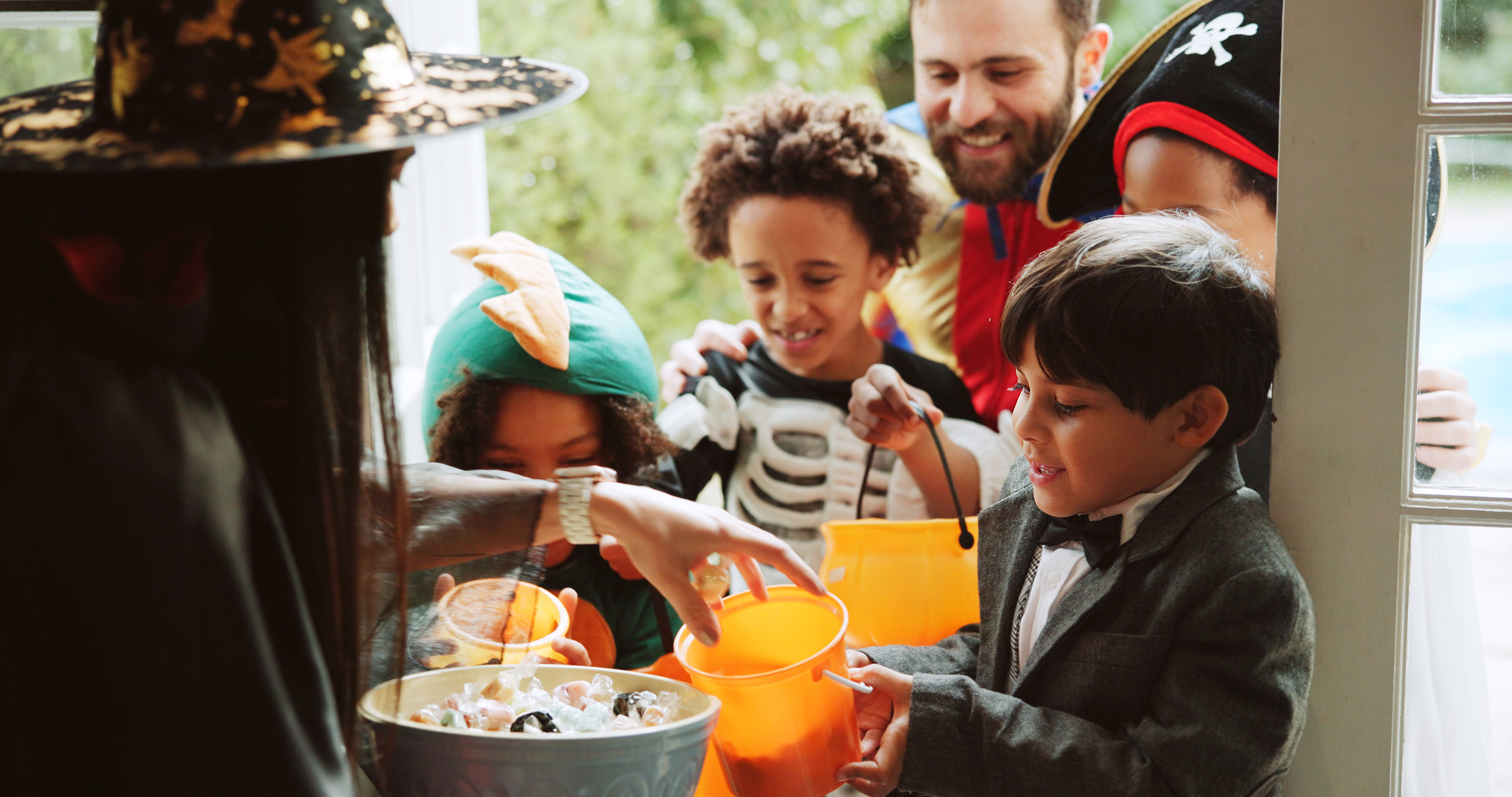
The notion that Halloween candy laced with razors, fentanyl, or other drugs is being distributed through buckets of candy is largely a myth. The narrative surrounding these largely comes from hoaxes (literal tricks!) that don’t hold up to investigations. The best tracked report is sociologist Joel Best’s “Halloween Sadism” studies. Best looked at “Halloween Sadism cases” since the 1950s and has never found a substantiated child death or serious injury from a contaminated treat during ordinary trick-or-treating.
The reason for the narrative is a series of cases that don’t quite fit the stereotype, but do fit the timeline. In one case, a child found heroin in a relative’s home and the candy story was a makeshift excuse to hide the crime. In another involving cyanide, the child was deliberately murdered by the father.
Cannabis edibles are perhaps the largest separate risk. Cannabis edibles often resemble familiar candy or treats and accidental ingestion either from a child taking one from a counter or an adult mistakenly handing out the wrong goods, has increased as they’ve become more available. This remains an exceedingly rare circumstance, however.
It is still worth a parent’s time to inspect candy, mostly for open or torn wrappers, expired treats, and just to keep kids from devouring mattress-case size quantities of sugar in one day. The more plausible harm is from allergens, like nuts, and choking hazards like gum for young kids.
Child sexual abuse and assault do not increase around Halloween, either
A study of 67,045 nonfamily sexual offenses against kids 12-and-under in states that compile data with the National Incident-Based Reporting System jurisdictions from 1997 through 2005 looked at 48 hours before and after Halloween. There is no significant effect from Halloween on child sexual abuse or assault. There is no difference from the national averages of any ordinary week in victims, ages, offenders, relationships, or offense types.
No increase in kidnappings or attempted abduction, either
There is no large-scale national study on kidnappings on Halloween. The narrative that a “surge” occurs on October 31 is mostly connected to counts of runaways, custody disputes, family abductions, lost children, and other circumstances. NCMEC data shows nonfamily abduction is the rarest missing-child case type in recorded cases. (“Nonfamily” includes a parent’s boy or girlfriend, babysitters, family friends, etc. “Stranger danger” is rarer still.)
Teens face different risks on Halloween
Most media accounts and crimes against kids look at kids 12 and under, in the prime trick-or-treating demographic. Evidence for older kids and teens is more mixed and still somewhat limited.
One Canadian hospital reported an increase around Halloween of sexual assault patients for kids 16 and older. But similar dates included New Year’s Day, university orientation events, and other celebrations.
A broader U.S. study from emergency departments between 2005-2017 found sexual assaults were elevated on New Year’s Eve, but not Halloween.
For older kids and teens, parties, and sleepovers, or university freshmen away from home for their first time represent the biggest risks, but those risks are more closely associated with alcohol consumption than it necessarily being Halloween.
The most common crime around Halloween was, unsurprisingly, theft, property destruction, and vandalism. And these statistics were not child-specific. Just that those were the recorded crimes that occur most often around Halloween.
One risk dramatically increases due to traffic
Looking at the hours of 5pm to midnight on Halloween has shown that for 42 years, fatal crashes involving vehicles and children is 43% higher on Halloween. There are, on average, four additional pedestrian deaths on Halloween, with three of those four deaths involving a child ages 4-8.
Pedestrian deaths, 5 p.m. to midnight
Halloween evenings compared with the same hours one week before and after, U.S. traffic deaths 1975–2016 (Staples et al., JAMA Pediatrics).
Other risks come from pumpkins. 55% of 3,200 Halloween-related emergency department visits studied across a three year period for people of all ages, including adults, were cuts from pumpkin carving. 25% involved falls, likely from hanging decorations. Allergens were also higher. Among those 3,200 patients, 46% were kids and teens under age 18.
Halloween-related ER visits, by cause
- 55% cuts from pumpkin carving
- 25% falls, often while decorating
- 20% everything else, including allergic reactions
Each square is 1% of about 3,200 emergency department visits (U.S. Consumer Product Safety Commission).
What parents should know
Tick off each one as you get ready for Halloween night.
- Assume traffic is the biggest risk. Make efforts to walk with kids and make eye contact with drivers as you move predictably and visibly.
- Talk to your kids about never approaching a vehicle, especially while it’s moving.
- Talk to your older kids about safety at parties, sleepovers, and make a no-questions-asked pickup option or distraction request so they have an easy exit. “Sorry, my mom told me to call her…” that leads to a “I have to leave…” is a straightforward response.
- Check treats for allergens and torn packaging.
- When you’re carving pumpkins, make sure there are plenty of towels to prevent slips and ensure everyone has a solid grip on everything, including their feet on the floor or stool.
Sources
- Joel Best, “Halloween Sadism: The Evidence”, University of Delaware (updated annually).
- Chaffin, Levenson, Letourneau and Stern, “How Safe Are Trick-or-Treaters? An Analysis of Child Sex Crime Rates on Halloween”, Sexual Abuse, 2009.
- Staples, Yip and Redelmeier, “Pedestrian Fatalities Associated With Halloween in the United States”, JAMA Pediatrics, 2019.
- U.S. Consumer Product Safety Commission, “On a Day for Goblins and Tricks, Make Safety a Treat”, 2022.